Not all beaches are created equal when you have little ones in tow. These family-friendly shores offer calm waters, shade, and easy access.
Why Maui's Beaches Are a Family Paradise
Maui is blessed with over 30 miles of beaches, and the variety is staggering. From wide, golden stretches backed by resort amenities to tucked-away coves where your family might be the only ones in the water, there truly is a perfect beach for every kind of family day. But when you're traveling with kids, not just any beautiful shoreline will do. You need calm water, easy access, nearby restrooms, shade options, and ideally a lifeguard keeping watch.
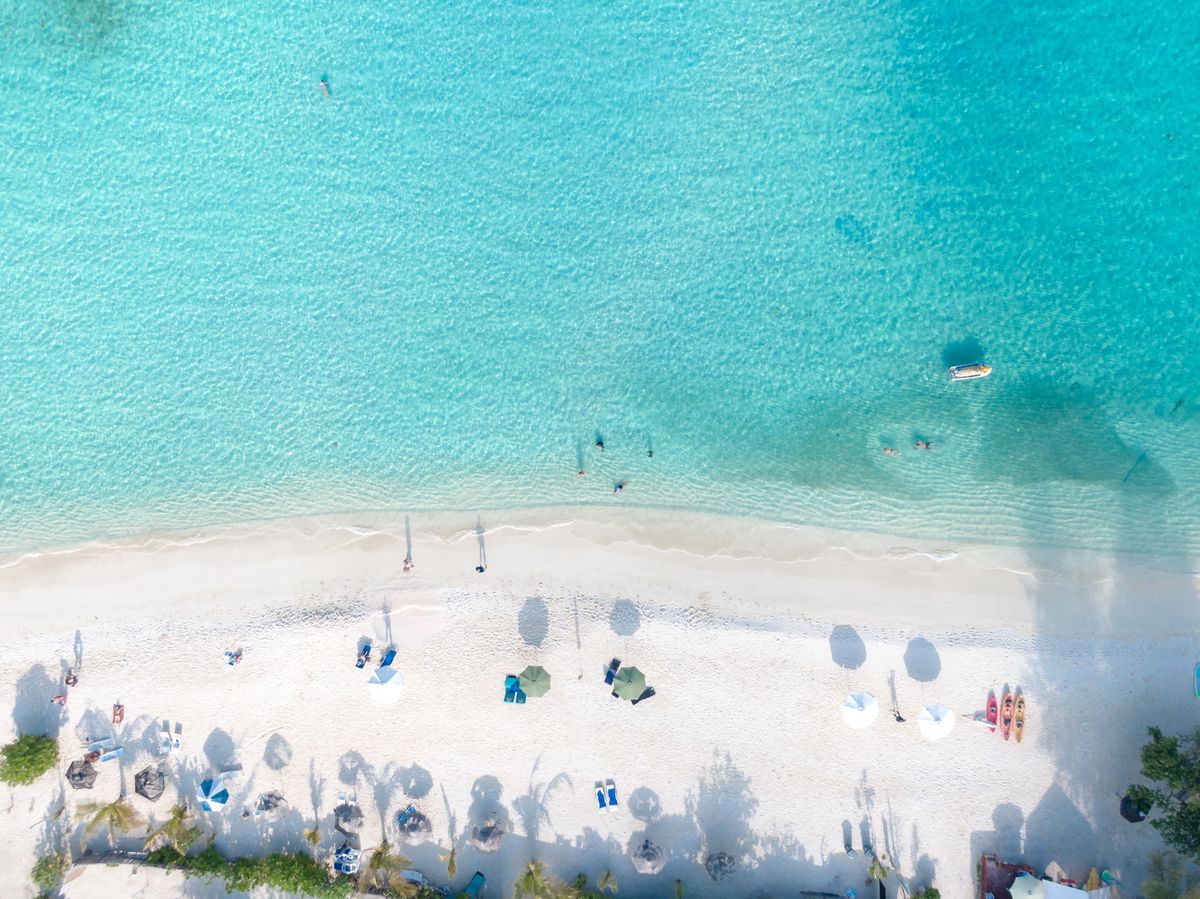
The good news? Maui delivers on all fronts. The island's west and south shores are naturally protected from the trade wind swells that batter the north coast, creating some of the calmest swimming conditions in all of Hawaii. Many of these beaches also feature natural reef barriers that act like built-in kiddie pools, keeping the waves gentle and the water shallow close to shore.
We've traveled to beaches all over the world, and Maui's family beaches are in a league of their own. The water is warm, the sand is soft, and there's always a sea turtle to spot. Our kids never want to leave.
— The Martinez Family, visiting from Colorado
Ka'anapali Beach -- The Gold Standard
If there's one beach on Maui that needs no introduction, it's Ka'anapali. Stretching three magnificent miles along the island's west coast, this wide crescent of golden sand is consistently ranked among the best beaches in the United States. For families, it checks every single box: calm water on most days, soft sand perfect for building castles, a paved beachfront path for stroller walks, and an entire ecosystem of restaurants, shops, and ice cream stands just steps from your towel.
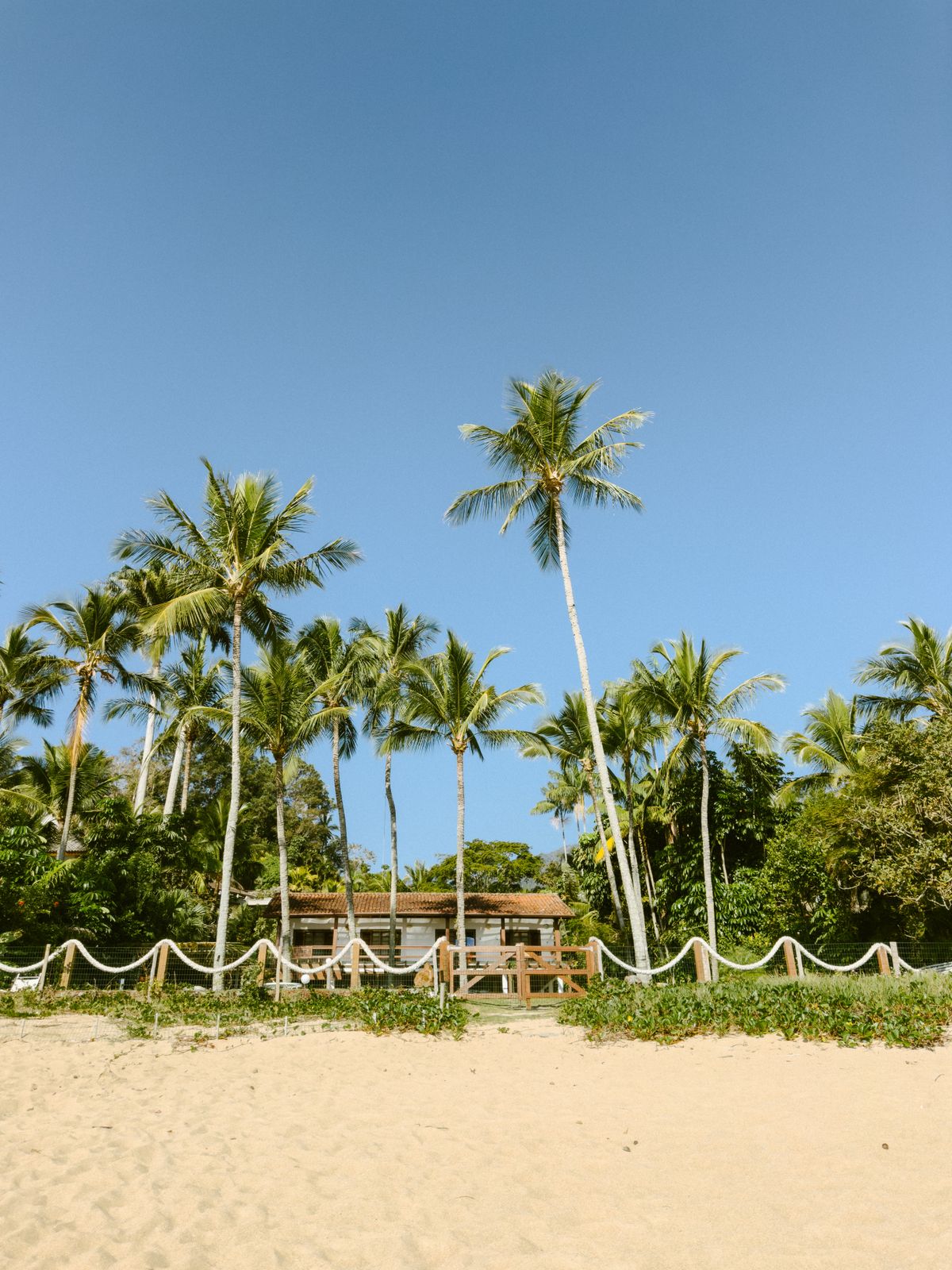
The real showstopper for kids is the nightly cliff diving ceremony at Pu'u Keka'a, known as Black Rock. Every evening at sunset, a diver lights torches along the cliff face and leaps into the ocean below, reenacting the legend of Maui's last chief, Kahekili. Find a spot on the sand about 20 minutes before sunset and watch your kids' jaws drop. It's one of those free, magical Maui moments that no amount of money can buy.
The snorkeling along the Black Rock formation is also outstanding for older kids who are comfortable in the water. Sea turtles cruise along the rock wall almost daily, and the colorful reef fish are abundant enough to spot even without going far from shore. Rental gear is available at several beachside shops, or bring your own and save.
“We stayed at Ka'anapali for a week and my 8-year-old still talks about the cliff diver. She sat on the sand every single evening waiting for the torches to be lit. And the snorkeling at Black Rock? She saw her first sea turtle and screamed through her snorkel so loud I think the fish scattered for a mile.”
— Sarah T. · Mom of two, visited March 2024
Pro tip: The south end of Ka'anapali Beach (near the Hyatt) tends to be less crowded than the stretch near Whaler's Village. Arrive before 9 AM to snag a prime spot with natural shade from the palm trees.
Kamaole Beach Parks I, II & III -- The Local Favorites
Ask any family living in south Maui where they spend their weekends, and the answer is almost always one of the three Kamaole Beach Parks in Kihei. Lined up along South Kihei Road, these three beaches offer everything a family needs: lifeguards on duty, clean restrooms and outdoor showers, picnic tables with BBQ grills, and expansive grassy lawns where kids can play, roll, tumble, and run to their hearts' content without a grain of sand in their PB&J.
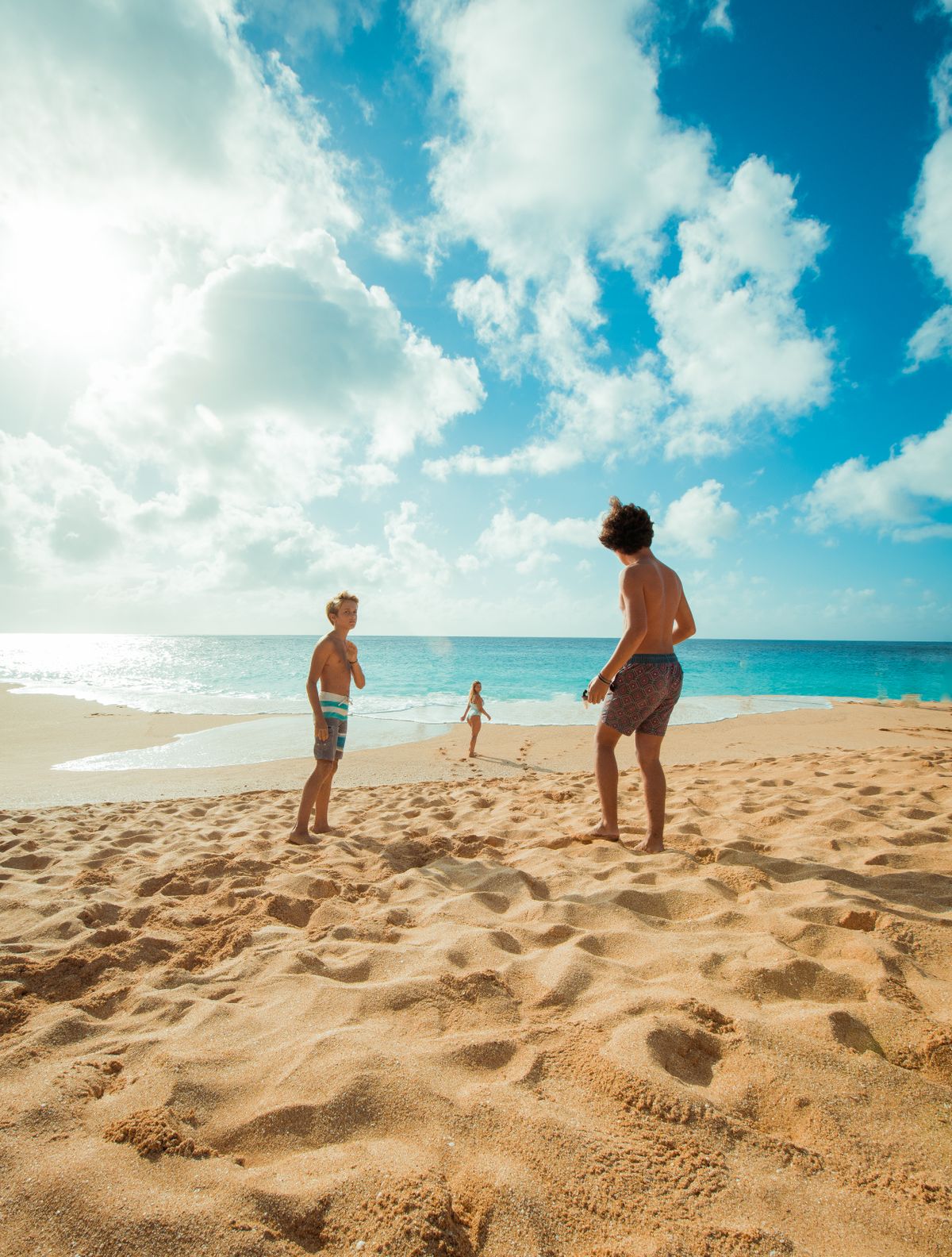
Kamaole III (locals call it "Kam 3") is the undisputed champion for families with young children. The southern end of the beach has a gentle slope into the water, creating a shallow wading area that toddlers can splash around in safely. The grassy park above the sand includes a playground, making this one of the few Maui beaches where you can combine sand play with swings and slides. When the little ones need a break from the sun, the mature trees along the park's edge provide plenty of natural shade.
Kamaole I and II are also excellent, with slightly different personalities. Kam I is the widest and offers the best swimming conditions on calm days, while Kam II tends to be the quietest of the three. All are within walking distance of restaurants, shave ice shops, and convenience stores along South Kihei Road, so you're never far from a cold drink or an emergency snack run.
“Kam 3 is our go-to beach with the kids. We pack a cooler, set up camp on the grass, and let the kids bounce between the playground and the water all day. The lifeguards are amazing, the restrooms are clean, and there's a taco truck up the road that makes the best fish tacos on the island. What more could you want?”
— Mike & Jen K. · Maui residents, parents of three
Parking at the Kamaole parks fills up fast on weekends and holidays. Your best bet is to arrive before 10 AM, or try the overflow street parking along South Kihei Road. Better yet, if your condo is nearby, walk or bike!
Napili Bay -- Nature's Swimming Pool
If you could design the perfect family swimming spot from scratch, you'd probably end up with something very close to Napili Bay. This intimate, crescent-shaped cove on Maui's northwest coast is protected by a natural reef that filters out the ocean swells, leaving behind water so calm and clear it looks like a giant infinity pool carved into the coastline. On most mornings, the surface is glassy smooth -- perfect for floating, splashing, and building confidence in young swimmers.
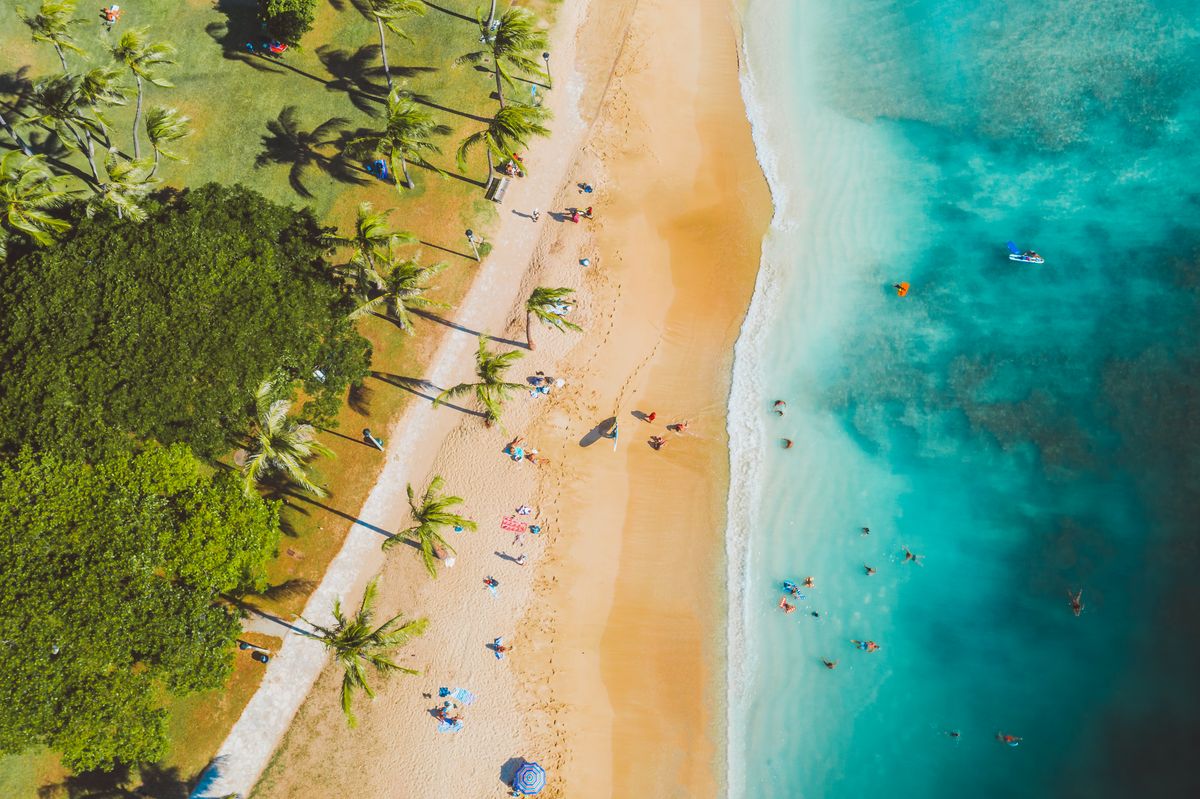
But here's what takes Napili Bay from great to absolutely unforgettable: the sea turtles. Hawaiian green sea turtles (known as honu) are regular visitors to the bay, gliding in to feed on the algae that grows along the reef. It is genuinely one of the most magical wildlife experiences you can have in Hawaii. Imagine your child snorkeling just a few feet from shore and suddenly coming face to face with a graceful 200-pound turtle. These are the moments that turn a vacation into a core memory.
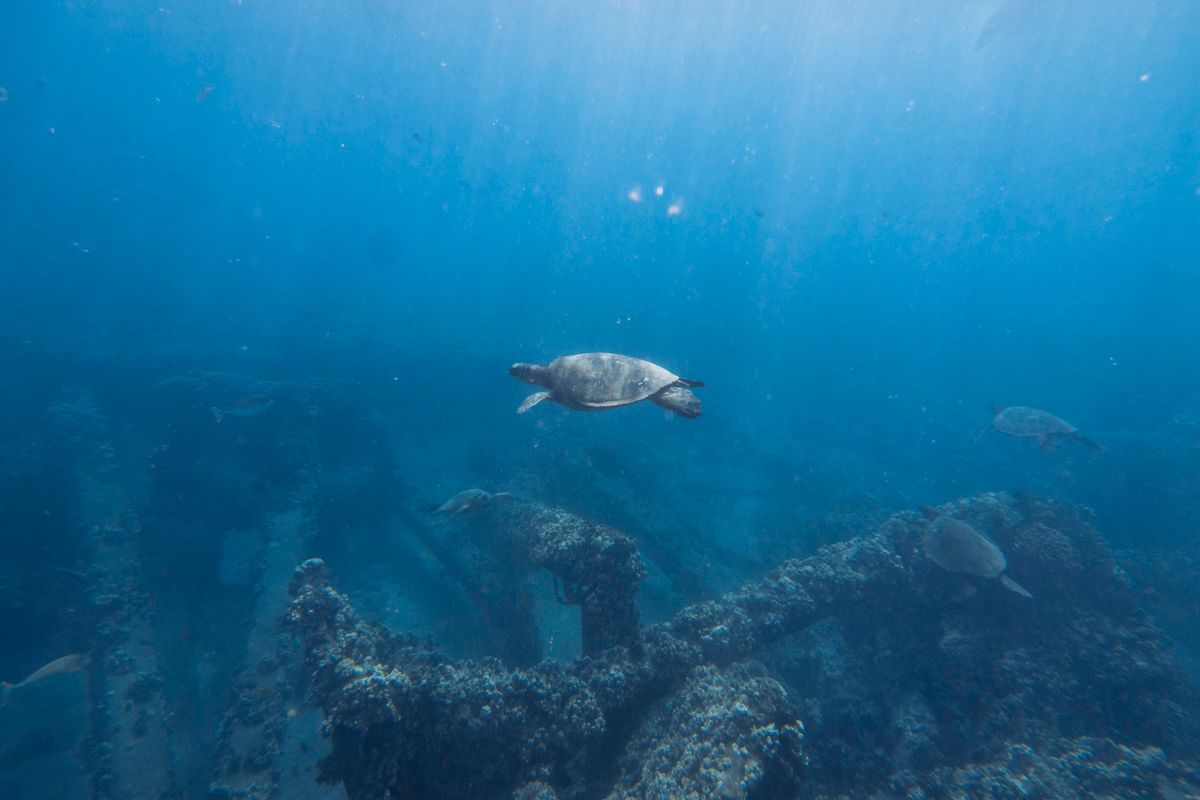
“My 6-year-old daughter literally cried tears of joy when she saw her first sea turtle at Napili Bay. We snorkeled there three mornings in a row and saw turtles every single time. The water was so calm she didn't even need her floaties. This is the beach that made our whole trip.”
— Lisa R. · Family of four from Oregon
Fun fact: Hawaiian green sea turtles can live over 80 years and don't reach maturity until they're about 25. The turtles you see at Napili Bay may have been swimming these waters since before you were born! Remember -- it's a federal offense to touch or harass a sea turtle, so admire from a distance.
Baby Beach, Lahaina -- Made for the Littlest Swimmers
If you have a toddler or a child who's just learning to be comfortable in the ocean, Baby Beach in Lahaina is your destination. True to its name, this small beach features an outer reef that creates a shallow, protected lagoon where the water barely reaches knee-deep in most areas. The sandy bottom is smooth, the current is essentially nonexistent, and the warm, clear water feels like a giant bathtub. It's the closest thing to a worry-free ocean experience you'll find anywhere in Hawaii.
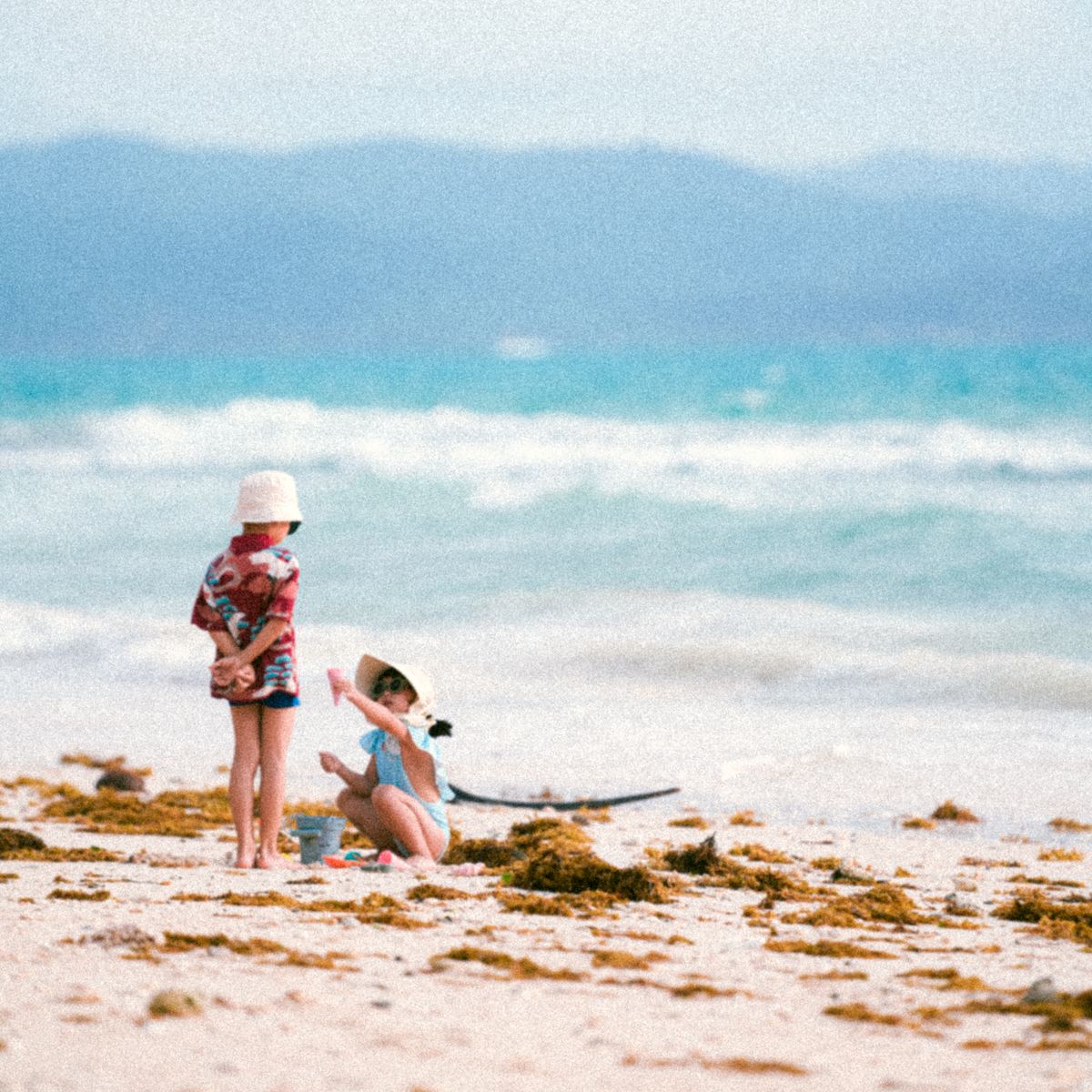
Local families have been bringing their keiki (children) to Baby Beach for generations, and it's easy to see why. The reef creates such a reliable calm zone that parents can actually sit on the sand and relax while their little ones wade and splash. The beach is small and intimate, which means it never feels overcrowded, and you can easily keep an eye on everyone in your group. There's a grassy area with some shade trees just above the sand, perfect for setting up a base camp with blankets and a cooler.
“Our 2-year-old was terrified of the ocean before we came to Maui. After one afternoon at Baby Beach, she was sitting in the water, giggling, and splashing like she'd been a beach baby her whole life. The water was maybe 8 inches deep where she sat. It was the sweetest thing. We went back four times during our trip.”
— David & Amy W. · Parents of a toddler, visited January 2024
Baby Beach is a residential neighborhood beach, so please be respectful of the nearby homes. There are no facilities here -- no restrooms, no lifeguards, no vendors. Pack everything you need, including shade and water, and take all your trash with you when you leave.
Wailea Beach -- Where Luxury Meets Calm Waters
Wailea Beach sits along Maui's glamorous south shore, fronted by world-class resorts like the Four Seasons and the Grand Wailea. But don't let the upscale surroundings intimidate you -- all beaches in Hawaii are public, and Wailea is one of the most beautiful and family-friendly stretches of sand on the island. The water here is remarkably calm most of the year, the sand is fine and golden, and the beach gently slopes into the ocean, making it easy for kids to wade in gradually.
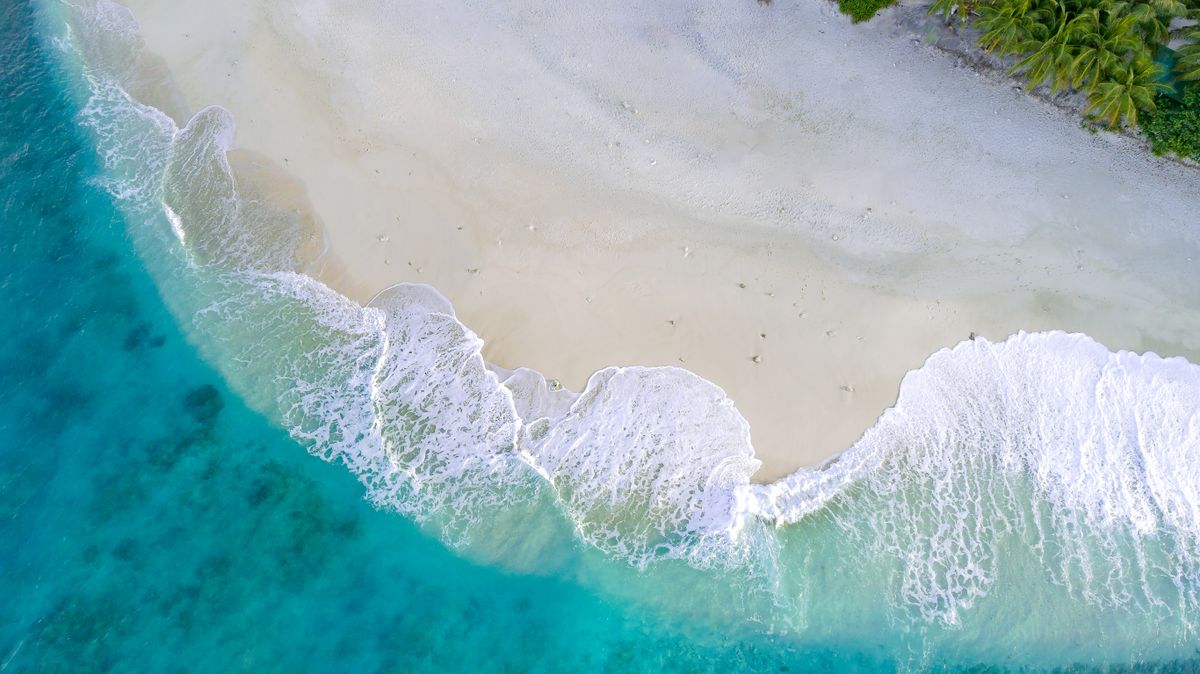
One of the best features for families is the Wailea Beach Path, a 1.5-mile paved oceanfront walkway that connects five beaches and winds past tide pools, lava formations, and beautifully landscaped resort grounds. It's perfect for a morning stroller walk or an evening family stroll. During whale season (December through April), you can often spot humpback whales breaching offshore right from the path -- bring binoculars and prepare for excited screaming from the kids.
“We brought my parents, our two kids, and even grandma on this trip. Wailea was the one beach that made everyone happy. Grandma sat under an umbrella and watched whales. The kids played in the gentle surf. My husband and I snorkeled just offshore. And when we got hungry, we walked right up to the resort restaurant for lunch. Three generations, zero complaints.”
— Christina M. · Multigenerational family trip, February 2024
Whale watching from shore is one of Maui's great free thrills. During peak season, an estimated 10,000 humpback whales migrate to the warm Hawaiian waters to breed and give birth. From Wailea Beach, you can sometimes see dozens of spouts and breaches in a single afternoon without spending a dime on a boat tour.
D.T. Fleming Beach Park -- The Locals' Best-Kept Secret
Tucked away at the northern end of the Ka'anapali coast, just past the Ritz-Carlton in Kapalua, D.T. Fleming Beach Park is the kind of beach that most tourists drive right past on their way to more famous shores. Their loss, your gain. This spacious crescent of sand was named the #1 beach in America on Dr. Beach's annual list, and once you visit, you'll understand why. It has everything: wide, clean sand, gorgeous turquoise water, lush ironwood trees providing abundant natural shade, and a fraction of the crowds you'll find at Ka'anapali.
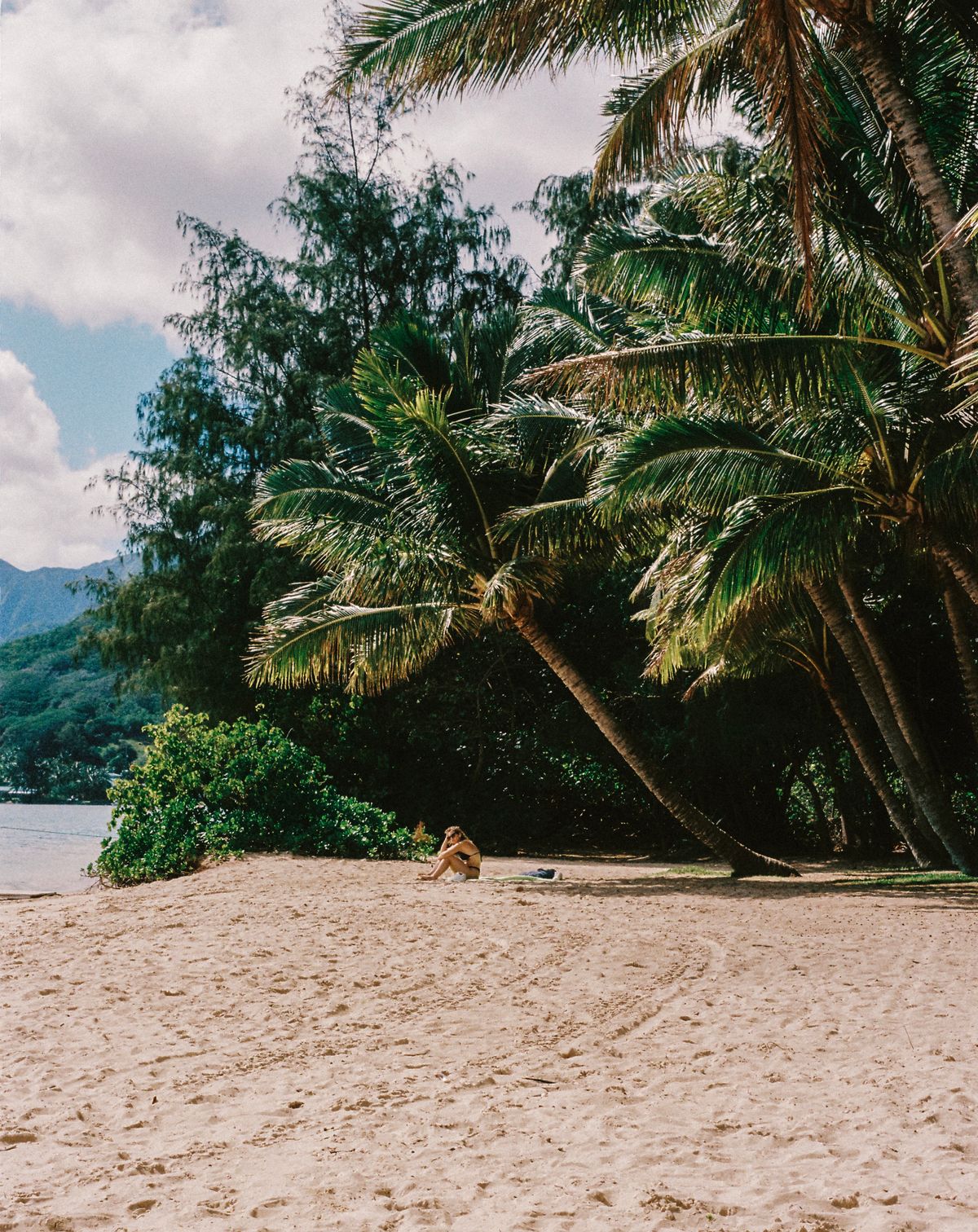
For families, D.T. Fleming stands out for its excellent facilities and shaded areas. The park has BBQ grills, picnic tables, restrooms, outdoor showers, and a lifeguard on duty. The ironwood trees that line the back of the beach create wide patches of natural shade, so you don't have to lug a beach umbrella or fight for a sliver of shadow. The left (south) side of the beach tends to be calmer and is the best area for swimming with kids.
“D.T. Fleming is our secret weapon. We discovered it on our second Maui trip and now it's the first place we go every time we visit. The shade from the trees is a game-changer with kids -- no more $40 beach umbrella rentals. We grill lunch right there in the park. It feels like having your own private beach.”
— James & Priya S. · Annual Maui visitors, family of five
D.T. Fleming was rated America's Best Beach in 2006 by coastal scientist Dr. Stephen Leatherman, who evaluates beaches on 50 criteria including water quality, sand softness, and scenic beauty. Two decades later, it still lives up to the title.
Golden Hour -- End Your Beach Day Right
No matter which beach you choose, do yourself a favor and stay for sunset. Maui's west-facing beaches put on a show every single evening that will leave your whole family speechless. The sky shifts through shades of gold, tangerine, crimson, and violet as the sun melts into the Pacific horizon. Kids who were too tired to take another step will suddenly get a second wind, chasing the waves and splashing in the golden light. These are the snapshots you'll frame, the moments you'll replay, the stories you'll tell for years.
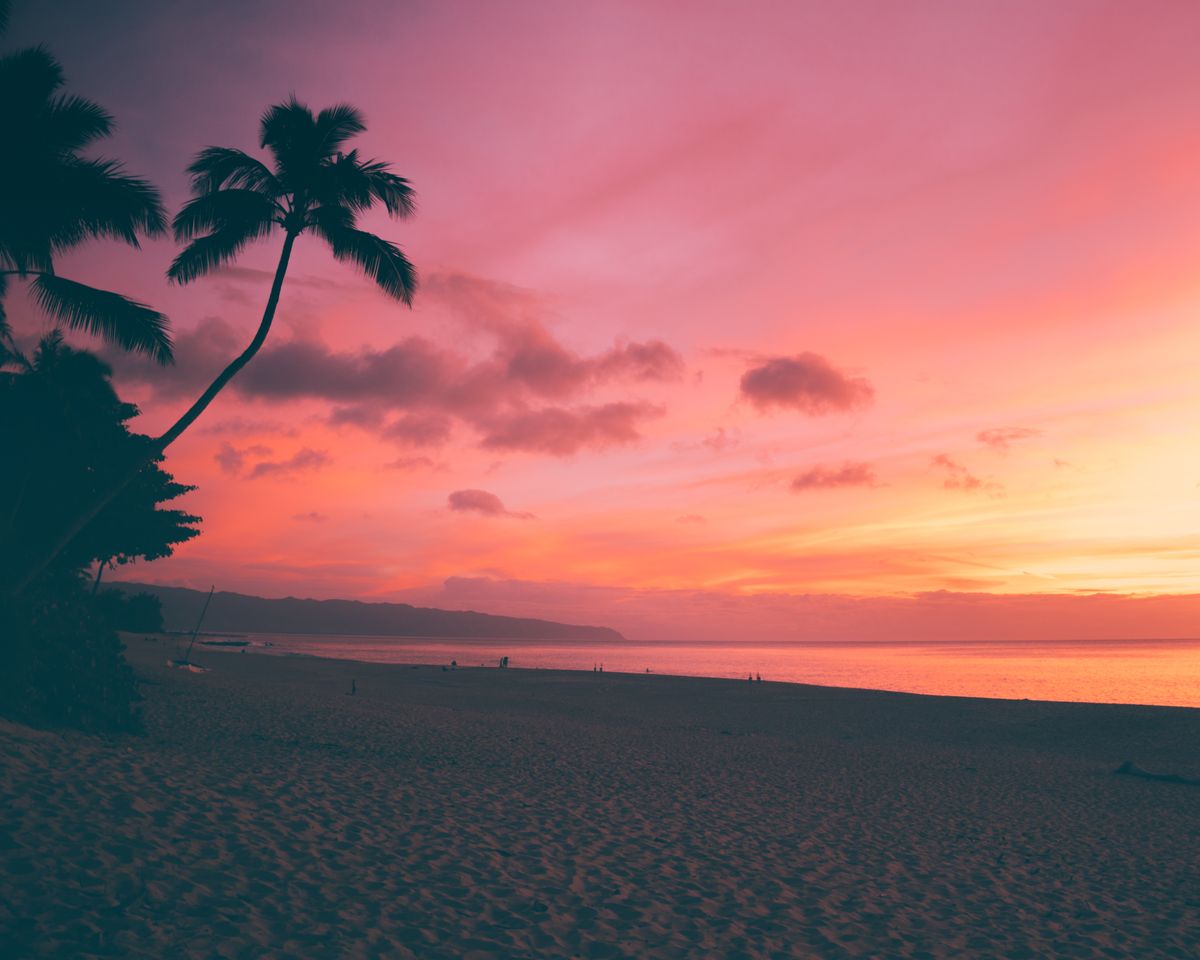
Ka'anapali and Wailea are particularly stunning at sunset. Pack a simple picnic dinner, a blanket, and settle in around 45 minutes before the sun goes down. Many beachside restaurants offer takeout -- grab a poke bowl or some fish tacos and dine on the sand. It's the kind of easy, magical family moment that doesn't cost much but feels absolutely priceless.
"He ali'i ka 'aina; he kauwa ke kanaka." -- "The land is chief; man is its servant." This Hawaiian proverb reminds us that the beauty of these beaches is a gift to be cherished and protected, not just consumed.
— Hawaiian proverb
What to Pack for a Family Beach Day
A great family beach day on Maui starts with smart packing. Beyond the obvious towels and swimsuits, there are a few essentials that will make the difference between a good day and a legendary one. Think of your beach bag as a survival kit: sunscreen (reef-safe is the law in Hawaii!), rash guards for the kids, water shoes for rocky entries, a refillable water bottle for each family member, and way more snacks than you think you'll need. Trust us on the snacks.
Since 2021, Hawaii law requires all sunscreen sold and used in the state to be reef-safe -- that means no oxybenzone or octinoxate. Look for mineral-based sunscreens with zinc oxide or titanium dioxide. Your skin and the coral reefs will thank you.
A pop-up shade tent is worth its weight in gold when you have young kids. Not all beaches have natural shade, and Hawaii's tropical sun is no joke, especially between 10 AM and 2 PM. Add a waterproof phone case so you can capture underwater moments, a mesh sand toy bag (the holes let the sand fall out!), and a small first-aid kit with bandages and aloe vera gel. If you're snorkeling, bring your own masks -- rental gear quality varies widely and a leaky mask ruins the fun fast.
Finally, bring a gallon-sized ziplock bag for your car keys, wallet, and phone when you're not using them. Sand and saltwater are the enemies of electronics, and nothing puts a damper on a beach day like a dead phone full of seawater.
Beach Safety Tips for Families
Even at the calmest beaches, the ocean demands respect. Before you set up for the day, take a few minutes to observe the water conditions. Look for any posted warning signs, note where the lifeguard is stationed, and identify the calmest areas for your kids to swim. Waves and currents can change throughout the day, so keep checking. If you see brown or murky water, a strong current pulling outward, or unusually large waves, find a different spot or stick to the sand.
The Hawaiian sun is significantly stronger than what most mainland visitors are used to. Reapply sunscreen every two hours, and after every swim session. Even on cloudy days, UV rays can cause serious burns. Rash guards and UV-protective swimwear are your best friends -- they provide constant protection without the need to reapply. Keep babies under 6 months out of direct sunlight entirely.
Dehydration is sneaky in the tropics because the constant breeze can mask how much you're sweating. Make water breaks a regular part of your beach routine, especially for kids who are too busy playing to notice they're thirsty. Pack electrolyte packets or coconut water for extra hydration. And remember the golden rule of Hawaiian ocean safety: never turn your back on the ocean. Rogue waves can appear even on calm days.
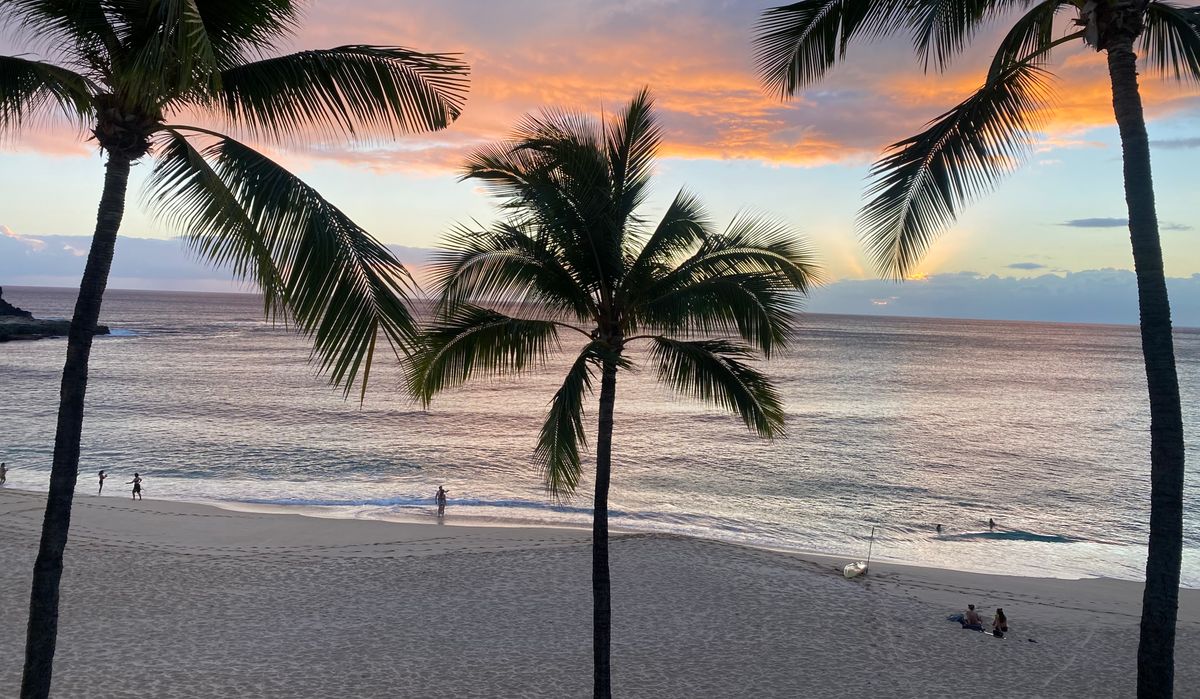
The Hawaiian concept of malama 'aina -- to care for the land -- extends to the ocean and the beaches. Leave every beach cleaner than you found it. Don't touch the coral or the turtles. Take only photos and memories, and leave only footprints in the sand. When we all do our part, these magical places endure for generations to come.
— The spirit of aloha